0
$0.00
0 items
If you want more performance from your VE or VF Commodore, an Over The Radiator (OTR) cold air intake is one of the most effective upgrades. However, not all systems deliver the same results.
The wrong intake can cause fitment issues, heat soak, or wasted money. The right one improves airflow, sharpens throttle response, and delivers real gains without unnecessary complications.
Most OTR intakes look similar, but differences in design, sealing, and materials determine whether you actually get performance or just another part under the bonnet.
An OTR (Over-The-Radiator) cold air intake is a performance upgrade that replaces the factory airbox and draws cooler, high-pressure air from the front of the vehicle to improve airflow and throttle response.
It sits behind the grille where airflow is strongest, delivering a shorter, more direct path into the throttle body. This reduces restriction and helps the engine breathe more efficiently.
Cooler, denser air improves combustion, which translates to stronger throttle response and better mid-range performance.
VE and VF Commodores respond particularly well to this setup. LS-based V8 engines benefit from increased airflow, while V6 models see improved response with the right design and tuning.
Compared to the factory intake - designed for noise and cost - an OTR is built for airflow. It reduces heat soak and delivers a more consistent supply of cool air to the engine.
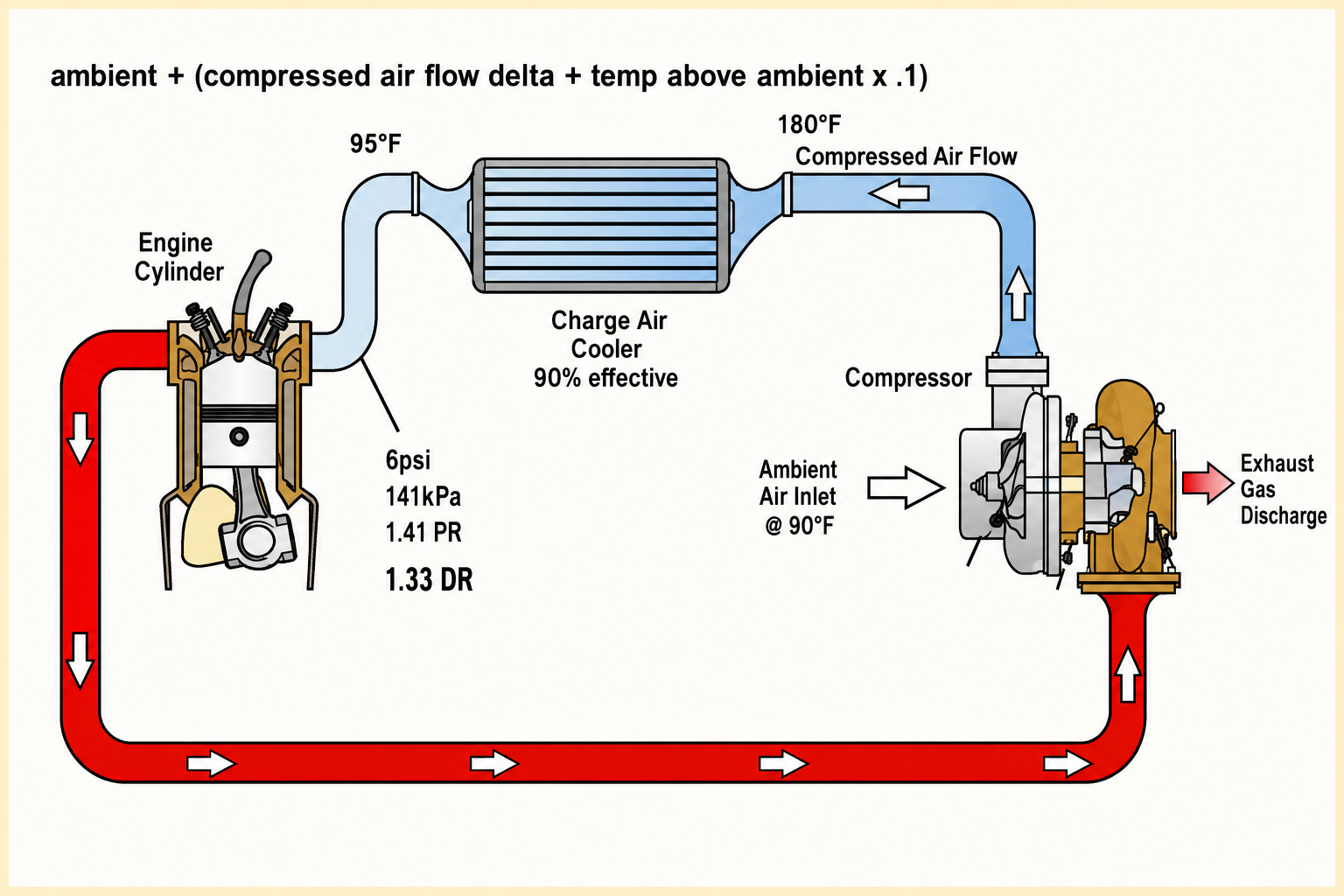
An OTR intake doesn’t deliver massive peak horsepower on its own, but it changes how your engine responds and uses airflow.
The gains show up differently depending on how the car is driven and how well the setup is optimised.
On its own, an OTR intake provides a modest increase in peak horsepower by improving how efficiently air reaches the engine.
Without tuning, the gains are limited to improved airflow efficiency. When paired with a proper tune, the engine can take full advantage of that airflow, resulting in more noticeable performance improvements across the rev range.
An OTR intake improves how quickly the engine responds to throttle input by allowing air to reach the engine more efficiently.
The biggest difference is felt in the mid-range, where the engine spends most of its time during everyday driving. With less restriction in the intake path, power delivery becomes more immediate and consistent, making the car feel more responsive under acceleration.
An OTR intake also changes the sound of the engine, producing a more pronounced induction note under acceleration as airflow increases.
Fuel efficiency can improve slightly under light driving conditions due to better airflow, but this depends on driving style. Under heavier throttle, any efficiency gains are typically offset by increased fuel use.
An OTR intake is a worthwhile upgrade for many VE and VF Commodore owners, but its value depends on how the car is used and what you expect from it.
An OTR intake is best suited for VE and VF Commodore owners looking to improve airflow and throttle response without complex modifications.
It works well for both daily-driven cars and performance builds. Daily drivers benefit from improved responsiveness, while modified or tuned setups gain more from the increased airflow and overall efficiency.
An OTR intake addresses two key limitations of the factory intake system:
By drawing air from the front of the vehicle, it reduces the amount of hot engine bay air entering the system.
At the same time, the shorter and less restrictive intake path allows air to flow more efficiently into the engine, which improves overall performance and consistency under load.
Not all OTR intakes are built the same, and lower-quality options can lead to poor fitment, weak sealing, and reduced performance.
Tuning is another key consideration. While an OTR can be installed on a stock setup, the full benefit comes when the engine is properly tuned to suit the increased airflow.
OTR intakes are designed specifically for VE and VF Commodores, but compatibility depends on the exact engine and model. Fitment, airflow, and sensor setup all vary, so choosing the right one isn’t interchangeable.
OTR intakes are designed to suit specific VE and VF engine variants, so compatibility depends on the exact engine in your car.
For V6 models:
For V8 models:
Each engine has differences in airflow requirements, throttle body position, and sensor setup, which is why OTR intakes are not one-size-fits-all.
Yes. While VE and VF platforms are similar, there are key differences that affect OTR fitment.
Changes in radiator support, airflow path, and sensor layout mean that OTR intakes are typically designed specifically for either VE or VF models rather than being directly interchangeable.
In most cases, yes, these models share the same underlying platform as the VE and VF Commodore, so OTR intakes designed for those vehicles can be compatible.
However, fitment can still vary depending on engine type, front-end layout, and sensor configuration, so it’s important to match the intake to the specific model and setup rather than assuming direct interchangeability.
OTR intakes are designed around the exact layout of the engine bay, so small differences in fitment can affect how well they perform.
A properly designed system aligns with the throttle body, seals correctly against the bonnet, and maintains consistent airflow. If the fit isn’t right, it can lead to air leaks, heat soak, or reduced performance.
Choosing between a MAF and MAFLESS setup affects how your engine measures airflow and delivers fuel. The right option depends on your setup, how the car is driven, and whether it’s tuned.
A MAF (Mass Air Flow) sensor measures the amount of air entering the engine and sends that data to the ECU to determine how much fuel to deliver.
In a MAF-based setup, the sensor sits in the intake path and continuously adjusts fueling based on real-time airflow. This keeps the engine running smoothly and maintains stable, factory-like drivability across different conditions.
Because fueling is based on direct measurement, MAF setups are generally more consistent and forgiving. However, the sensor itself can introduce a small restriction in the intake path compared to a MAFLESS setup.
A MAFLESS setup removes the Mass Air Flow sensor and relies on the ECU to calculate airflow using predefined models based on engine speed, pressure, and temperature.
Without the sensor in the intake path, airflow is less restricted, which can improve efficiency and support higher performance setups. However, because airflow is no longer measured directly, the system depends entirely on accurate tuning to maintain correct fueling and drivability.
When tuned properly, a MAFLESS setup can deliver smoother airflow and better performance potential. Without proper tuning, it can lead to unstable idle, poor drivability, or incorrect air-fuel ratios.
| Feature | MAF Setup | MAFLESS Setup |
| Airflow Measurement | Directly measured by sensor | Calculated by ECU (speed density) |
| Drivability | Stable, factory-like | Depends on tuning quality |
| Airflow Restriction | Slight restriction from sensor | Less restriction, smoother path |
| Performance Potential | Suitable for mild setups | Better suited for higher performance builds |
| Tuning Requirement | Not always required | Required |
| Best Use Case | Daily drivers, light mods | Tuned or performance-focused builds |
For most daily-driven vehicles, a MAF setup offers more stable and predictable performance.
For higher-performance builds, a MAFLESS setup allows for smoother airflow but requires proper tuning to run correctly.
Installing an OTR intake on a VE or VF Commodore is generally a straightforward bolt-on process, especially when the system is designed for proper fitment.
Most installations can be completed in under an hour using basic tools. The exact time depends on the design of the intake and how easily it aligns with the factory components.
The process typically involves:
What makes the biggest difference is how the intake is designed. Well-designed systems fit cleanly without requiring modifications, while others may require adjusting the radiator position, modifying wiring, or dealing with poor alignment.
Choosing a properly engineered OTR intake keeps the installation simple and avoids unnecessary complications.
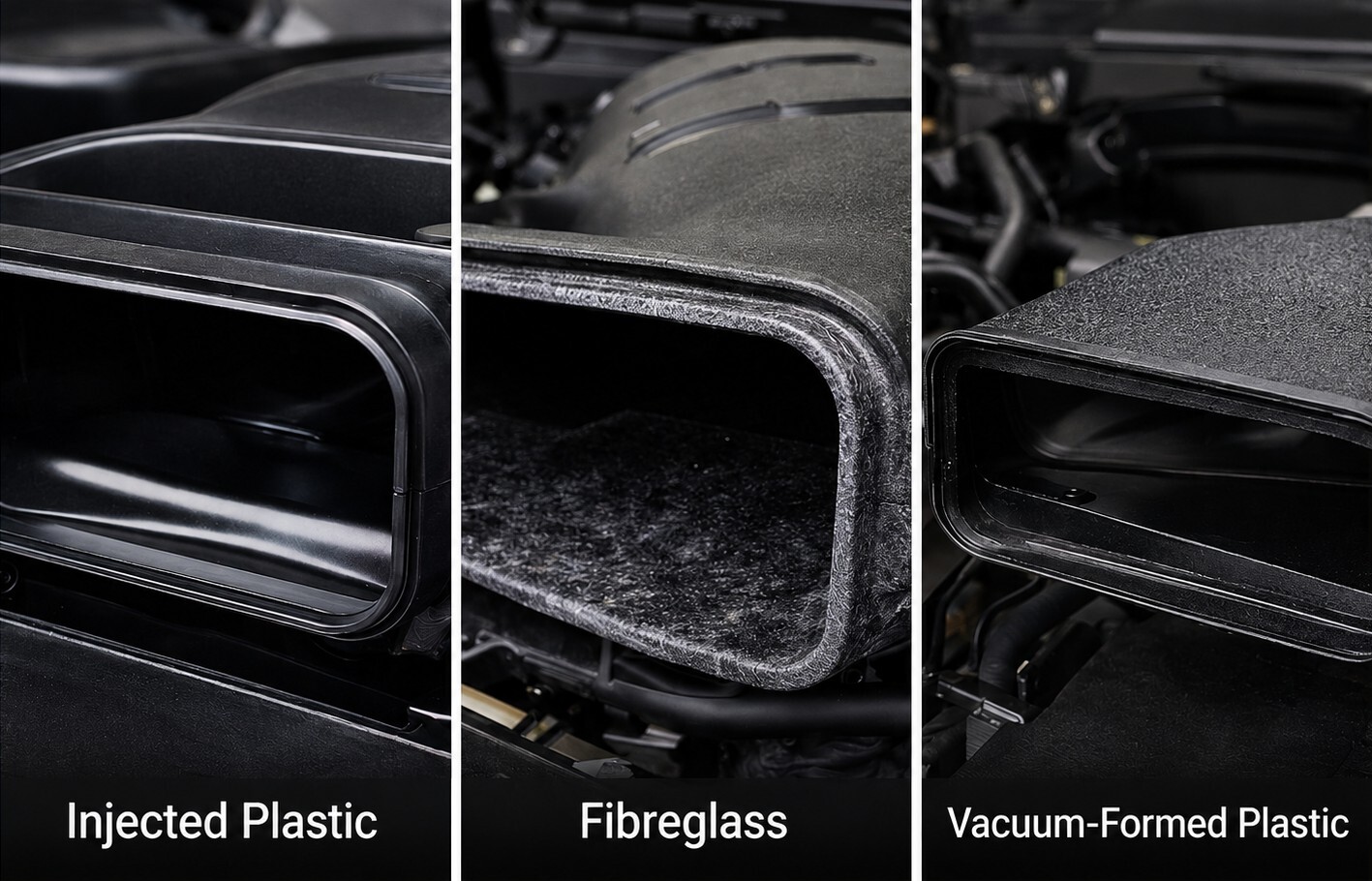
The material used in an OTR intake affects how well it handles heat, seals against the engine bay, and maintains performance over time.
Higher-quality materials are better at resisting heat soak, maintaining a consistent seal, and holding their shape under engine bay conditions. Poorly made intakes can warp, leak, or draw in hot air, which reduces their effectiveness.
Common materials used in OTR intakes include:
What matters is not just the material itself, but how well the intake is designed and built. Lower-quality systems often have poor sealing, inconsistent fitment, or thinner construction, which can affect both performance and durability.
Choosing a well-built intake ensures it maintains proper airflow, seals correctly, and performs consistently over time.
Not all intake systems work the same way, and the differences come down to airflow, positioning, and how the air is delivered to the engine.
OTR vs Factory Airbox
The factory airbox is designed for cost, noise reduction, and general reliability, not maximum airflow. It draws air through a longer, more restrictive path and can be affected by heat from the engine bay, especially under load. This limits how efficiently the engine can breathe.
An OTR intake replaces this with a shorter, more direct path that draws cooler air from the front of the vehicle. The result is more consistent airflow and improved performance, particularly in real-world driving conditions.
OTR vs Pod Filters
Pod filters can improve airflow compared to the factory airbox, but on their own, they often draw in hot air from within the engine bay.
Without proper shielding or enclosure, this leads to higher intake temperatures, which reduces air density and limits performance, especially in real-world driving conditions.
An OTR intake, by comparison, is positioned to draw cooler air from the front of the vehicle and is typically sealed against the bonnet. This provides a more consistent and controlled airflow supply, resulting in more reliable performance.
OTR vs Other Cold Air Intake Systems
Enclosed cold air intake systems draw cooler air from outside the engine bay, similar to an OTR, but they typically use longer intake piping and sit further from the throttle body.
This creates a less direct airflow path compared to an OTR setup. While these systems can still improve performance over stock, airflow delivery is not as direct.
An OTR intake sits at the front of the engine bay and feeds air straight into the throttle body. This shorter path allows for more efficient airflow and more consistent performance under load.
What sets an OTR intake apart is how it manages airflow from intake to engine. By positioning the intake at the front of the vehicle, shortening the airflow path, and sealing it properly, it delivers a more direct and controlled supply of air.
This combination is what allows OTR systems to perform more consistently compared to other intake designs, especially under real driving conditions.
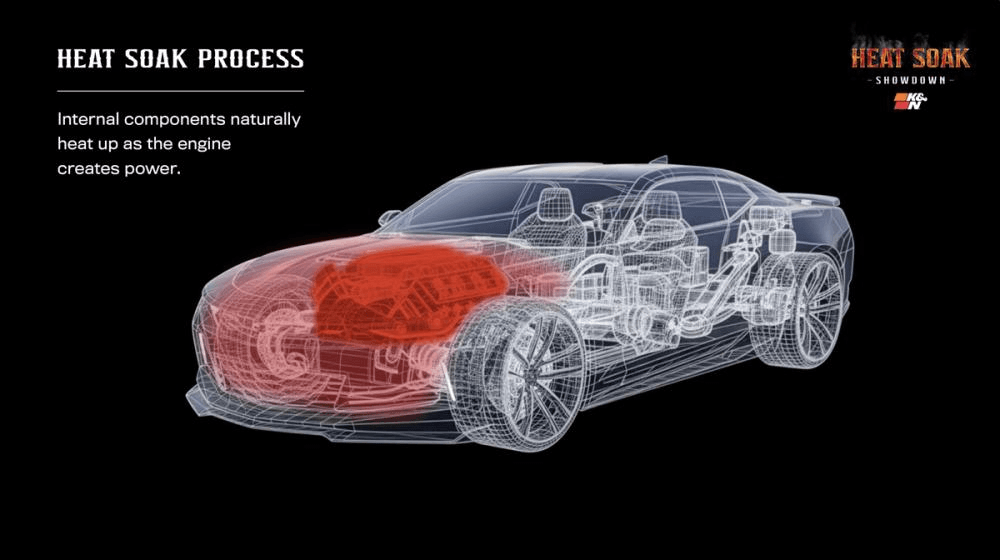
The wrong OTR intake can create performance issues, fitment problems, and long-term reliability concerns. Most of these come down to poor design, incorrect setup, or mismatched tuning.
An OTR intake that isn’t properly sealed or positioned can be affected by engine bay heat, especially under load. This raises intake air temperature, reduces air density, and limits how efficiently the engine can produce power.
If the intake doesn’t seal correctly against the bonnet or align with the throttle body, it can draw in unwanted air. This disrupts airflow consistency and reduces overall efficiency, particularly in varying driving conditions.
Poorly designed or low-quality intakes may not fit cleanly within the engine bay. This can lead to gaps, mounting stress, or components sitting out of position, affecting both installation and long-term reliability.
If filtration or sealing is compromised, dirt and debris can enter the intake system. Over time, this increases the risk of engine wear and reduces the effectiveness of the intake.
By removing or disconnecting the MAF Sensor from the vehicle the engine wont run.
The purpose of a MAF Sensor also known as an AIR FLOW METER is exactly that. It measures the amount of mass air flowing through it and entering the engine. It then sends this information to the computer ( ECU ). Based on this information the ECU then determines the correct amount of Spark, Fuel, and timing for optimal fuel efficiency and power.
A MAFLESS setup relies entirely on accurate tuning to maintain correct fueling the engine can run inconsistently, leading to poor drivability, incorrect air-fuel ratios, or engine warning lights.
In most cases, these issues come down to poor design, incorrect fitment, or mismatched tuning, not the OTR concept itself.
When choosing an OTR intake for a VE or VF Commodore, there are a few key things that determine how well it will perform and how reliably it will hold up.
Build Quality and Material Construction
The material and construction of an OTR intake determine how it handles heat and holds its shape over time.
Higher-quality materials maintain structural integrity under engine bay conditions and resist heat-related deformation. Lower-quality options are more prone to warping, flexing, or degrading, which can affect both airflow and long-term reliability.
Fitment and Sealing Accuracy
Fitment affects how precisely the intake lines up with the throttle body and seals against the bonnet.
Any gaps or misalignment can allow unwanted air into the system, disrupting airflow consistency. A properly fitted intake sits flush, maintains a stable seal, and avoids unnecessary stress on mounting points.
Airflow Design and Intake Path
Airflow efficiency depends on how directly and smoothly air is delivered into the engine.
Short, uninterrupted paths with smooth internal transitions help maintain consistent flow under load. Designs with sharp changes in direction or uneven internal surfaces can disturb airflow and reduce overall efficiency.
Compatibility with Your Engine and Setup
Compatibility goes beyond just matching the model—it needs to suit your engine, intake configuration, and sensor setup.
Differences between V6 and V8 layouts, as well as MAF and MAFLESS configurations, affect how the intake integrates with the system. Choosing the correct variant ensures proper fitment, accurate airflow measurement, and stable performance.
Tuning Requirements and Setup Goals
Your intended setup determines whether tuning is optional or required.
Stock or lightly modified vehicles can run an OTR intake without immediate tuning, but gains are limited. More performance-focused setups—especially MAFLESS configurations—rely on proper tuning to maintain correct fueling, drivability, and overall engine behaviour.
Focusing on build quality, fitment, airflow design, compatibility, and tuning ensures the intake works as intended and avoids the issues seen with poorly designed systems.
When these factors are addressed, an OTR intake becomes a straightforward upgrade that delivers consistent performance and long-term reliability.